Chinese Cloud: A Delicate Font for Creative Campaigns
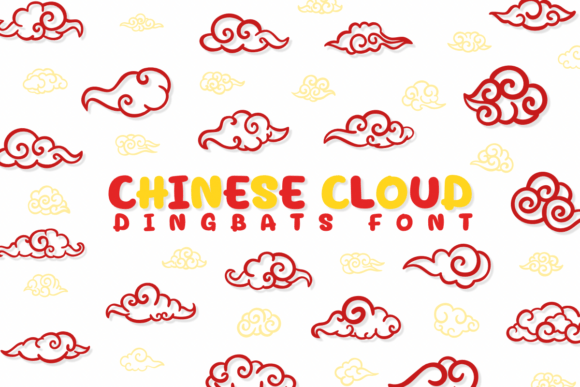
As a social media strategist working on a seasonal sale campaign, I often find myself in the position of selecting fonts that can elevate the visual impact without overshadowing the message. Recently, I came across Chinese Cloud, a dingbats font with a delicate and ethereal aesthetic. It caught my eye not just for its unique design, but for how it could fit seamlessly into a variety of creative projects.
Aesthetic and Visual Style
Chinese Cloud is a display font that leans into the delicate and whimsical. Its soft curves and flowing lines evoke a sense of lightness and grace, making it ideal for projects that require a touch of elegance or playfulness. The font’s design feels like a gentle breeze—light, airy, and slightly mysterious. It has a handcrafted feel that adds warmth to any design, whether it's used for a wedding invitation or a DIY project.
The personality of Chinese Cloud is subtle yet impactful. It communicates a mood of calm and creativity, which makes it perfect for campaigns that aim to inspire or evoke emotion. Its visual appeal lies in its ability to balance delicacy with readability, ensuring that it doesn't become too ornate or distracting.
Testing Chinese Cloud in Real Campaigns
During a recent product launch campaign, I was tasked with creating a series of Instagram posts and YouTube thumbnails. I needed a font that would stand out but also remain legible at a glance. Chinese Cloud became the go-to choice for headlines and callouts. Its delicate style added a unique flair to the visuals while maintaining clarity and brand consistency.
I tested Chinese Cloud across different platforms, including mobile previews and dark backgrounds. On mobile, the font performed well due to its clean strokes and moderate weight, making it easy to read even in small sizes. However, I noticed that it might not be the best choice for dense information or long text blocks, as it can sometimes feel too light or sparse.
Font Pairing and Design Flexibility
When pairing Chinese Cloud with other fonts, I found that it works best when combined with a clean sans serif or modern serif font. This combination creates a nice contrast between the delicate nature of Chinese Cloud and the structure of the supporting typography. For example, using a bold sans serif font for titles and Chinese Cloud for subheadings or decorative elements helped create a layered visual hierarchy.
One of the advantages of Chinese Cloud is its versatility. It can be used for short headlines, callouts, logo-style text, and even decorative titles. In a webinar banner, I used it for the main title, while a more traditional sans serif font was used for the subtitle and body text. This approach ensured that the focus remained on the main message while still allowing the font to make an impression.
For digital ads and website banners, Chinese Cloud can serve as a powerful tool for branding. It adds a distinctive character to the design without being too overwhelming. When used in email promotions, it helps create a memorable first impression, especially when paired with high-quality images and clear messaging.
Considerations for Use
While Chinese Cloud is a great choice for many creative applications, there are some situations where it may not be the best fit. For instance, it's not ideal for long copy or dense information due to its delicate and flowing nature. It also might not be suitable for formal corporate communication unless the brand's identity leans toward a more playful or artistic tone.
Additionally, when using Chinese Cloud on dark backgrounds, it's important to ensure sufficient contrast to maintain readability. On light backgrounds, it tends to look more elegant and refined. For fast-scrolling feeds, I recommend using it sparingly to avoid overwhelming the audience with too much decorative text.
Practical Tips and Best Practices
Before using Chinese Cloud in any campaign, it's essential to check the included styles, alternates, ligatures, weights, and file formats. Ensuring that the font supports multilingual characters is also important if you're planning to use it in international campaigns or for content in multiple languages.
Commercial font licensing should always be considered, especially when using the font in client campaigns, branded content, or digital products. Understanding the terms of use will help you avoid any potential legal issues down the line.
In summary, Chinese Cloud is a versatile and visually appealing font that can enhance a wide range of creative projects. Whether you're designing social media graphics, digital ads, or branded templates, it offers a unique way to add character and personality to your work. With the right pairings and considerations, it can become a valuable asset in your design toolkit.